Not quite what you’re looking for yet?

Use filters to narrow things down or explore other categories.


Quick tips from a local

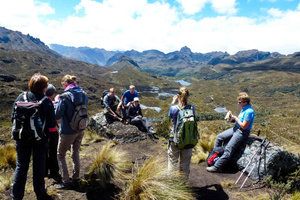
I always tell people: don’t underestimate Ecuador’s weather. Even if you start a hike sunny, layers are a must because up high it can get freezing fast. Also, try waking up before dawn for your trail if possible. The early light isn't just stunning, but it’s when the wildlife is most active and the trails are quieter.
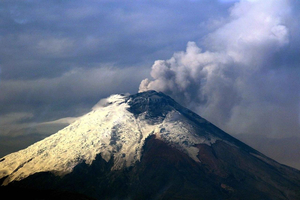
If you have time, hike a little in Cotopaxi National Park, but also don’t miss less obvious spots like Los Ilinizas – it’s less crowded, and the twin peaks make for epic photos. And one last thing, bring snacks. Some of the best local hikers’ fuel I found is a mix of roasted corn kernels, fresh fruit like babaco, and good old Ecuadorian panela (unrefined cane sugar blocks). Trust me, you’ll thank me later on that steep stretch.

Frequently Asked Questions

Got questions about hiking in Ecuador? Here are some answers from someone who’s been there.

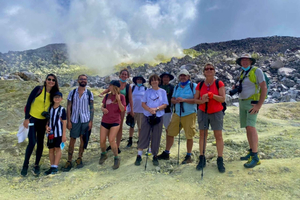
It depends on the trek. For big ones like Cotopaxi or Chimborazo, I’d say yes. The weather changes fast and routes can get tricky above 4,800 meters. A guide not only keeps you safe but helps with acclimatization tips and local stories too.
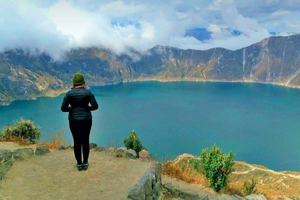
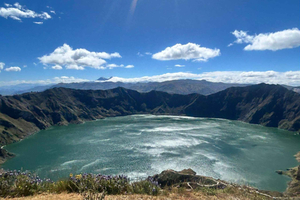
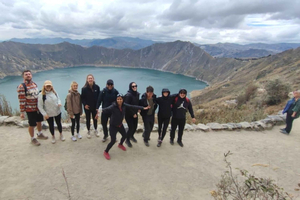
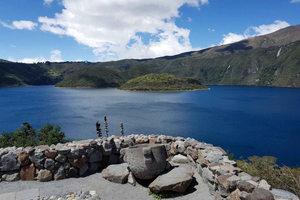
Try for the dry season, from June to September. The days are clearer, and the crater lake really pops in the sunlight. But even in the wetter months, the trails stay open, just pack good rain gear and expect mud.
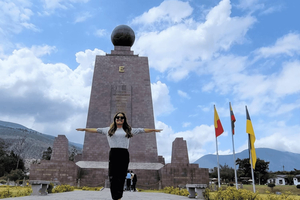
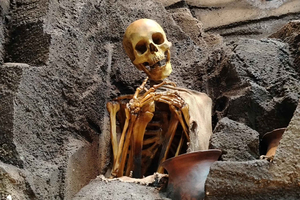
Most of the jungle trekking is better done with a local guide who knows the area and animal habits. The forest can be confusing and the trails aren’t always well-marked. Plus, guides can share invaluable info about plants and animals that you’d miss alone.
I always recommend waterproof hiking boots with good ankle support. Trails can shift from dusty to swampy in a few hours, especially in cloud forest zones. Sneakers just don’t cut it if you want comfort and safety.
Easily. Places like Cotopaxi, Chimborazo, or even some parts of the Quilotoa Loop sit well over 3,000 meters. Take it slow, hydrate a lot, and don’t push yourself too hard the first day. Drinking coca tea is a local trick that actually helps.
In several areas, yes. The Quilotoa Loop has spots in small villages where locals welcome trekkers to camp or stay overnight. On volcanoes like Cotopaxi, you’ll find designated refugios (small shelters) instead of camping freely. Always check local rules before setting up a tent.

Explore Things To Do Categories

Top Things To Do in Ecuador

See All →

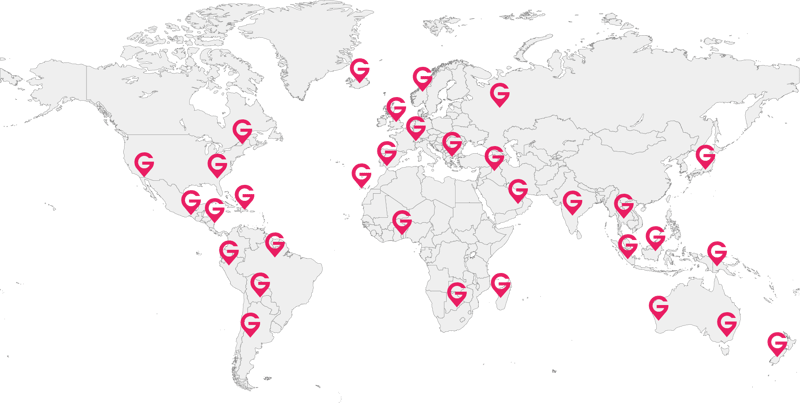
We Are Part of the My Guide Network!

My Guide Ecuador is part of the global My Guide Network of Online & Mobile travel guides. We are now in 180+ Destinations and Growing.

Nearby Destinations

Add to your trip

Add your travel dates so we can place this on the right day, or save it for later.